Packaging Is Part of the Product
When buyers assess a new supplier, most of the attention naturally goes toward the product itself. Materials, dimensions, functionality, appearance and manufacturing quality all receive close scrutiny. Packaging can seem like a secondary concern, particularly when the goods inside the box are perfectly manufactured.
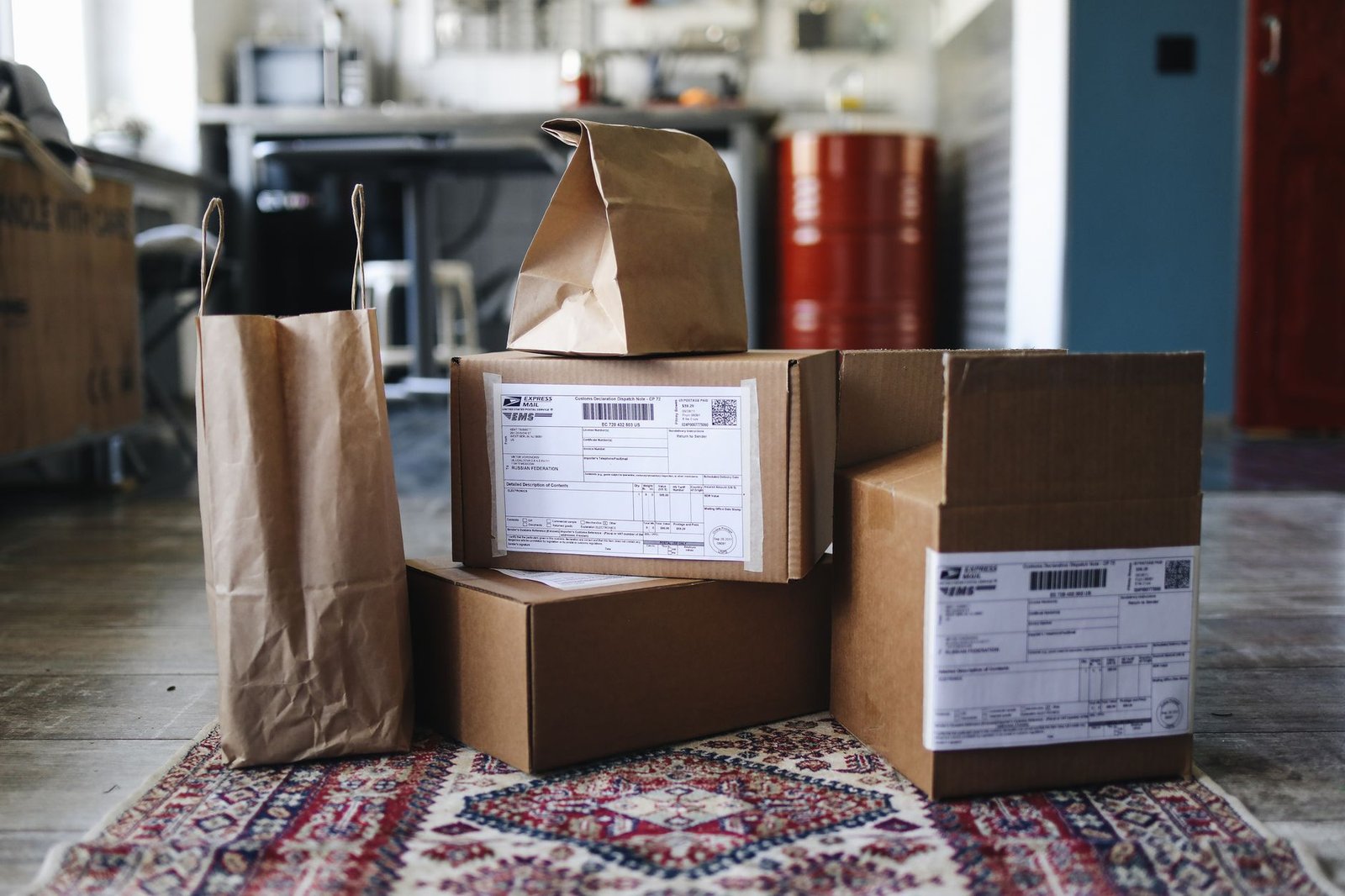
That assumption can be costly. Packaging is responsible for protecting products through handling, storage and transportation, often across thousands of kilometres and multiple stages of the supply chain. A well-made product can still arrive damaged if the packaging isn’t designed for the journey.
Shipping Creates More Stress Than Buyers See
A carton may look perfectly adequate when it leaves a factory. It then gets loaded, moved, stacked, unloaded and transported again. Packages can be exposed to vibration, compression, moisture and rough handling along the way.
This is especially important for products that are fragile, heavy, unusually shaped or sensitive to environmental conditions. Packaging that works perfectly during a short domestic delivery may not provide enough protection for international freight.
Weak Packaging Can Turn Into a Quality Problem
Packaging problems aren’t always obvious until something goes wrong. A box might have insufficient internal protection, weak seams or poor-quality materials. Once several cartons are stacked together, those weaknesses can become much more noticeable.
The result can be damaged corners, broken components, scratched surfaces or products that shift around inside the packaging. In some cases, the buyer may receive goods that technically passed the factory’s final product checks but are no longer in saleable condition after transportation.
Packaging Specifications Need to Be Clear
Buyers should treat packaging requirements with the same attention given to product specifications. Carton dimensions, materials, internal protection, labelling, sealing methods and weight limits can all matter.
Leaving these details open to interpretation creates room for substitutions or cost-cutting later in production. A supplier might use thinner cardboard, reduce protective material or change the internal arrangement because the alternative appears cheaper or easier.
If the buyer has specific packaging requirements, they should be documented before production begins rather than raised after the first shipment arrives.
Cost Cutting Can Have Unintended Consequences
Packaging is an obvious place for manufacturers to look for savings when production costs are under pressure. Reducing the amount of cardboard or protective material might save a small amount per unit, but the consequences can be much larger if products arrive damaged.
This is where the difference between unit cost and total cost becomes important. A slightly cheaper package isn’t necessarily cheaper if it increases damage rates, customer complaints, returns or replacement shipments.
Reliable suppliers should understand that packaging isn’t simply an expense added to the product. It is part of protecting the value of everything inside it.
Packaging Should Be Checked During Production
Waiting until finished goods are ready to ship can make packaging problems harder to correct. By that point, thousands of units may already be packed.
Checks during production can identify whether the agreed packaging materials are actually being used and whether packing procedures match the approved requirements. Depending on the product, this might include checking carton construction, protective inserts, labels, sealing, dimensions and the way products are positioned inside each box.
For importers managing overseas production, China inspection services can also provide independent oversight when packaging requirements are an important part of the order.
Transport Conditions Should Influence Packaging Decisions
There isn’t one packaging solution that works for every product. The expected transport method, distance, climate and handling conditions should all be considered.
Goods travelling by sea may spend weeks in transit and experience changing temperatures and humidity. Air freight introduces different handling conditions and restrictions. Heavy cartons may need stronger construction, while delicate products may require additional internal protection.
Understanding the journey helps buyers and suppliers choose packaging based on real-world requirements rather than simply selecting the cheapest available option.
A Damaged Shipment Can Affect More Than One Customer
Packaging failures can create problems long after the shipment reaches the warehouse. If damaged products make their way to customers, the importer may face returns, refunds, negative reviews and additional shipping costs.
There is also the issue of reputation. Customers generally don’t care whether damage happened during manufacturing, packing or transportation. They simply see a product that arrived in poor condition.
Reliable packaging therefore protects more than physical goods. It helps protect margins, customer relationships and the reputation that a business has spent years building.
Good Packaging Is a Form of Risk Management
Packaging may not be the most exciting part of international purchasing, but it deserves more attention than it often receives. A strong product packed poorly can still become an expensive problem, while sensible packaging can prevent relatively minor risks from becoming major losses.
For importers, the goal isn’t necessarily to use the most expensive packaging available. It is to use packaging that is appropriate for the product, the journey and the expected handling conditions, then make sure the agreed standard is actually maintained throughout production.